
Quick Answers
Can you climb Uluru?
No. The climb is permanently closed out of respect for its cultural significance.
How long do I need at Uluru?
Most visitors spend two to three days, to see Uluru and Kata Tjuta.
When is the best time to visit Uluru?
May to September, for the most comfortable weather.
“Some places don’t just take your breath away — they quietly rearrange something inside you, forever.”
Stand Before the Heart of the Australian Continent
Explore the Northern Territory
Quick Guide to Uluru
-
- One of Australia’s most iconic natural landmarks
- Located in the Northern Territory’s Red Centre
- Sacred to the Anangu people, the Traditional Owners
- Famous for spectacular sunrise and sunset colours
- 10.6 km base walk around Uluru
- Incredible stargazing and desert landscapes
- Best accessed via Yulara (Ayers Rock Resort)
Discover Uluru
One of Australia’s most powerful and unforgettable destinations, rising dramatically from the red desert landscape in the heart of the Northern Territory. Known for its cultural significance and natural beauty, Uluru is far more than a rock, it is a sacred place deeply connected to the Anangu people.
The name Uluru comes from the Pitjantjatjara language and is the traditional name for this remarkable site. Visiting offers a unique opportunity to experience Australia’s ancient landscape, rich cultural heritage, and breath taking desert scenery.
Where is Uluru?
Uluru is located in Uluru-Kata Tjuta National Park in the Northern Territory.
-
- Nearest airport: Ayers Rock Airport (Yulara)
- Located in Australia’s Red Centre
- Accessible via flights from major cities
Explore:
Northern Territory
Australia by Month
Why Uluru is So Special
- A sacred site for the Anangu people
- Part of Tjukurpa (Dreaming), cultural law and stories
- One of the world’s largest sandstone monoliths
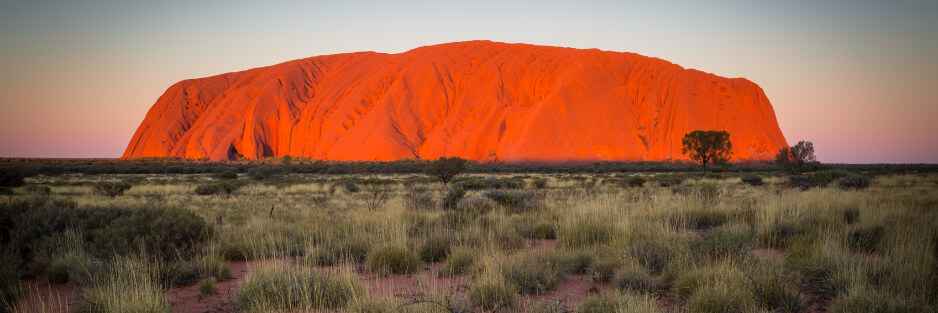
- Changes colour dramatically throughout the day
- Protected as a UNESCO World Heritage site
Uluru is not just a destination, it is a place of deep cultural meaning and natural wonder.
Things to Do at Uluru
Walk Around Uluru (Base Walk)
-
- 10.6 km loop around the base
- Takes approximately 3–4 hours
- See caves, rock art, and waterholes
Watch Sunrise and Sunset
-
- Uluru glows with changing colours
- Sunrise and sunset viewing areas available
- A must-do experience
Join a Cultural Tour
-
- Learn about Anangu culture and traditions
- Discover Tjukurpa stories
- Gain a deeper understanding of the landscape
Visit Kata Tjuta (The Olgas)
-
- Located nearby in the same national park
- Massive domed rock formations
- Popular walking tracks like Valley of the Winds
Stargazing in the Red Centre
-
- Clear desert skies
- Minimal light pollution
- Incredible night sky experiences
Best Time to Visit
Can be visited year-round, but conditions vary:
May to September: Best weather with cooler temperatures
June to August: Ideal for walking and exploring
October to April: Hot conditions, especially midday
Learn more:




How to Get to Uluru
- Fly into Ayers Rock Airport (Yulara)
- Transfers to accommodation and tours
- Self-drive options from Alice Spring
Where to Stay at Uluru
Most visitors stay at Yulara (Ayers Rock Resort):
-
- Luxury accommodation
- Camping options
- Dining and cultural experiences
- Easy access to tours and park entry
Travel Tips
-
- Respect cultural guidelines and signage
- Do not climb Uluru (climbing is permanently closed)
- Carry plenty of water
- Wear sun protection
- Visit early morning or late afternoon
- Allow time to experience the cultural significance
Frequently Asked Questions
What does Uluru mean?
Can you climb Uluru?
How long do you need at Uluru?
When is the best time to visit Uluru?
Is Uluru worth visiting?
The Heart of Australia
Uluru is a place of deep connection, natural beauty, and cultural significance. Whether you are watching the sun rise over the desert, walking around its base, or learning about its ancient stories, visiting is an unforgettable experience.
Start planning your journey to Uluru and discover the heart of Australia.
Places to Explore in Australia




A Hot Getaways destination. Where Care is Our Compass.
Did you know? Uluru is a deeply sacred place to the Anangu people, and it glows through extraordinary colours at sunrise and sunset. Visitors are asked to walk around it, not climb it, out of respect.
Travel Kindly
At Hot Getaways, care is our compass — and a little kindness makes every journey better. When you visit Australia, we gently ask you to:
- Care for the land and sea — tread lightly, take your rubbish with you, and help keep Australia’s wild places pristine.
- Respect the wildlife — admire our unique animals from a distance, never feed them, and give them room to be wild.
- Support local — choosing local operators, cafés and guides helps this beautiful place thrive.
- Honour Country — we travel on the traditional lands and sea Country of Australia’s First Peoples, with gratitude and respect to the Traditional Custodians past and present.
- Be kind to each other — a smile, a little patience and a helping hand make the day lovelier for everyone.
Small acts of care add up to something wonderful. Thank you for travelling kindly.